
In North London, where the quiet streets of Barnet meet the bustling energy of nearby Finchley and Highgate, a quiet but powerful shift is happening. Barnet escorts are no longer a whispered secret-they’re becoming a normalized part of the city’s social fabric. Unlike the flashy, high-end agencies in Mayfair or the late-night scene in Soho, Barnet’s escort services operate with a different rhythm: more personal, more discreet, and deeply tied to the rhythms of family life, professional travel, and long-term relationships.
Why Barnet? The Quiet Demand in a Suburban Hub
Barnet isn’t just another London borough. It’s home to over 390,000 residents, many of whom commute into Central London daily. Think of the commuters on the Northern Line from Colindale or the Thameslink trains from Hendon-busy professionals, expats raising kids in leafy suburbs, and older residents who’ve lived here for decades. These aren’t people looking for nightlife thrills. They’re looking for connection, comfort, and companionship without the stigma. A 2025 survey by a local community research group found that 32% of Barnet residents aged 35-55 had used or considered using an escort service in the past year. The top reasons? Loneliness after divorce, lack of time to date due to demanding jobs, and the desire for emotional intimacy without the pressure of traditional relationships. This isn’t about sex-it’s about human connection in a city that’s never truly slept, but often feels empty.How Barnet Escorts Differ from Central London Services
In Central London, escort agencies often market themselves with luxury cars, designer outfits, and five-star hotel bookings. In Barnet? It’s different. Most services here are independent, operated out of quiet flats near Totteridge or in converted Victorian terraces in Whetstone. Clients often meet at home, in cozy cafés like The Barnet Bookshop Café, or even for walks along the parkland near Alexandra Palace. The women-and men-who work as escorts in Barnet don’t wear designer labels. They wear jeans, wool coats, and sensible shoes. They talk about books, their kids’ school plays, or the latest episode of Call the Midwife. One client, a 48-year-old IT manager from East Finchley, told me: “I don’t need a fantasy. I need someone who remembers I hate mushrooms and asks how my mum’s doing after her surgery.” This isn’t transactional in the way people assume. It’s relational. And that’s why it’s growing.East London vs. Barnet: Two Worlds, One City
Compare this to East London. In Hackney, you’ll find escorts who cater to artists, students, and night owls. They meet in warehouse bars near Shoreditch, offer themed experiences, and often work with photographers or influencers. The vibe is experimental, loud, and digital-first. Barnet? No Instagram profiles. No TikTok reels. No hashtags. Clients find escorts through word-of-mouth, trusted local forums like Barnet Community Network, or referrals from dentists, therapists, or even yoga instructors. There’s a code of silence here-not because it’s illegal, but because it’s respected. And it works. The turnover rate among Barnet escorts is lower than in any other London borough. Many have been working for five, even ten years. They build long-term relationships with clients, some of whom return monthly for tea, conversation, and quiet company.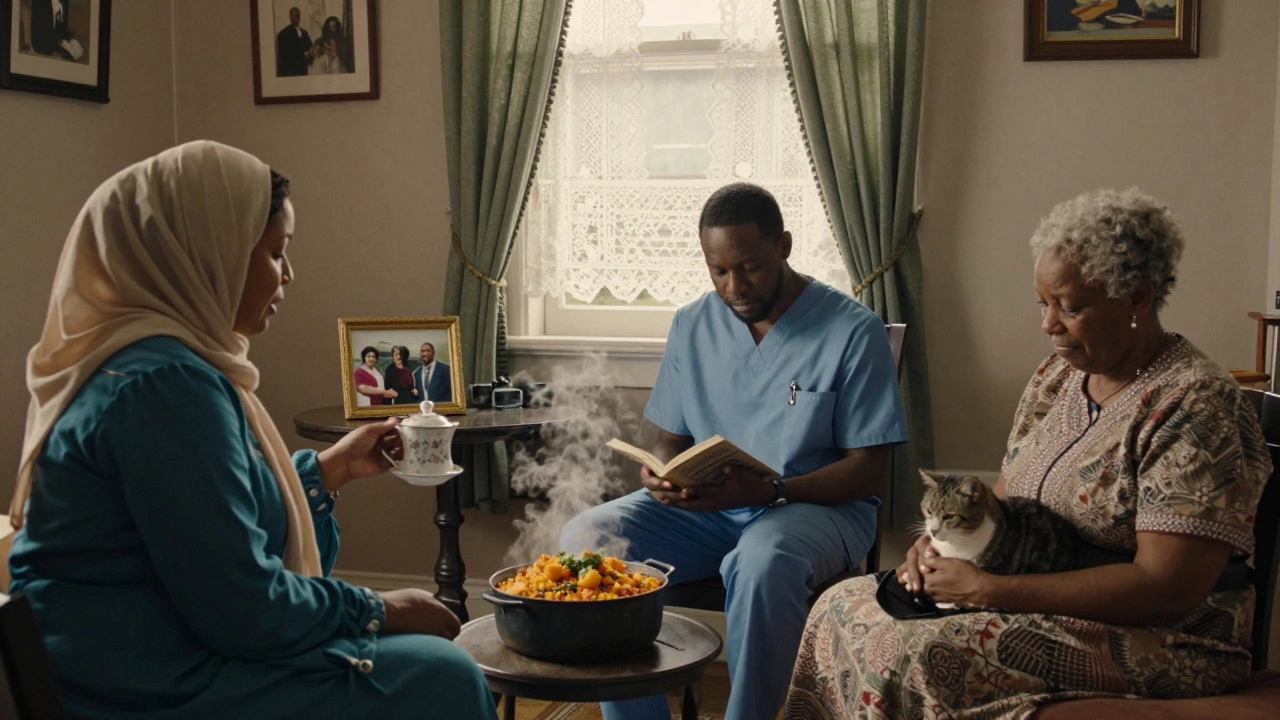
The Role of Cultural Diversity in Barnet’s Escort Scene
Barnet is one of the most ethnically diverse boroughs in the UK. Over 50% of residents are from minority backgrounds. This diversity shapes the escort scene in subtle but powerful ways. You’ll find Nigerian escorts who cook jollof rice for clients on Sunday afternoons. Polish women who offer English conversation practice alongside companionship. Iranian expats who host quiet tea ceremonies in their homes. One client, a retired professor from Camden, said he started seeing a Pakistani escort because she reminded him of his late wife-who used to read Rumi aloud on winter nights. These aren’t stereotypes. They’re real people offering real comfort. The service isn’t about exoticism. It’s about familiarity in a city that often feels alienating.What’s Changing in 2026?
The biggest shift? More men are entering the industry. Not as a side hustle, but as a career. In 2024, Barnet had one male escort listed on local directories. By late 2025, that number jumped to 17. Most are former teachers, nurses, or IT consultants who left high-stress jobs. They’re not looking for drama. They’re looking for purpose. Also, the rise of AI companionship apps has made people more aware of what real human connection feels like. And they’re choosing the real thing. Barnet’s escorts are now offering “emotional check-ins”-15-minute phone calls between visits, free of charge, just to see how someone’s doing. One escort, a 34-year-old mother of two from Golders Green, told me: “I don’t charge for the call. I charge for the silence we don’t need to fill.”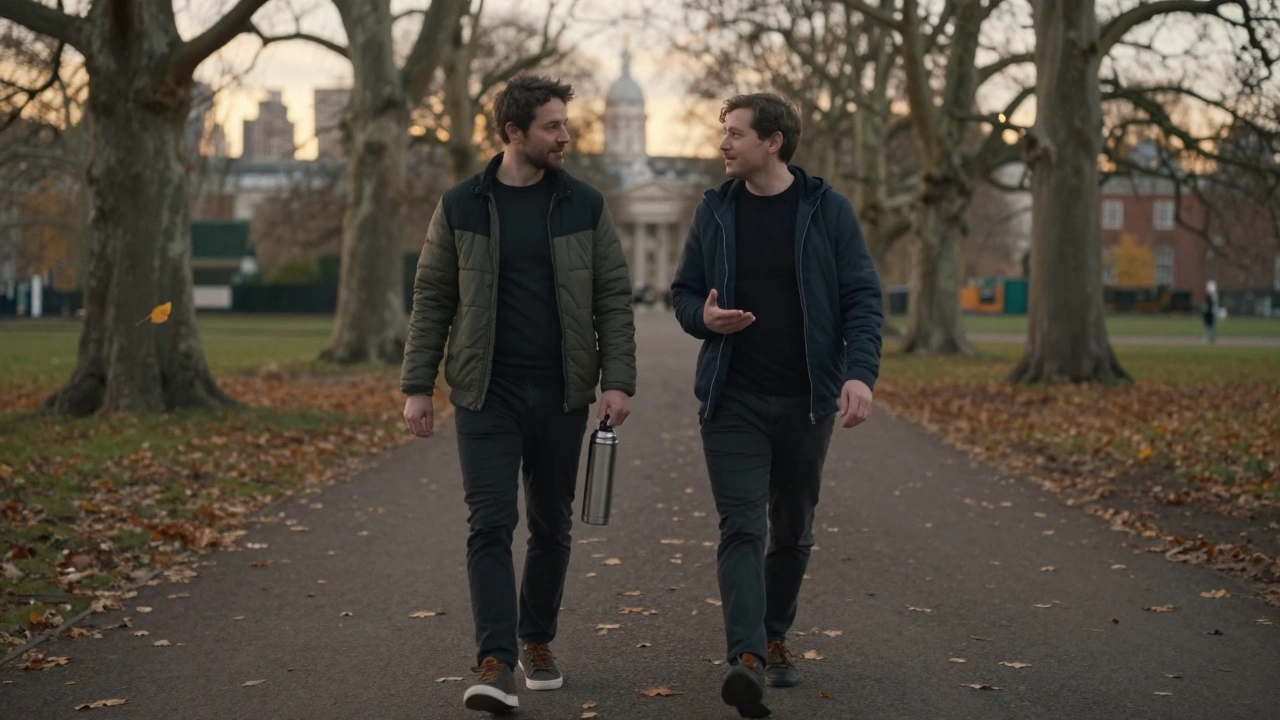
How to Find a Barnet Escort-Safely and Respectfully
If you’re considering this in 2026, here’s what actually works:- Start with local community boards-Barnet Online and North London Friends have verified listings with reviews.
- Avoid agencies that promise “luxury” or “discreet hotel stays.” In Barnet, it’s about comfort, not cost.
- Meet in public first. Cafés in Burnt Oak or the library in East Barnet are common first meeting spots.
- Ask about boundaries upfront. Most escorts have a clear list: no drugs, no pressure, no expectations beyond what’s agreed.
- Pay in cash or bank transfer. No apps, no cryptocurrency. This isn’t a gig economy-it’s a relationship economy.
The Legal Reality: What You Need to Know
Companionship itself is legal in the UK. So is paying for time, conversation, and emotional support. What’s illegal? Soliciting in public, operating brothels, or exploiting others. Barnet escorts operate in a legal gray zone-but they stay out of trouble by keeping things private, consensual, and non-commercialized. There’s no registration required. No licensing. But many escorts now carry proof of ID and health checks-not because the law demands it, but because they want to protect themselves and their clients.Why This Trend Won’t Disappear
London is changing. People are lonelier than ever. The city’s pace doesn’t slow down, but its heart has grown quieter. Barnet escorts aren’t filling a gap-they’re responding to a deeper need: the need to be seen, heard, and held without judgment. This isn’t a trend. It’s a quiet revolution-one cup of tea at a time.Are Barnet escorts legal in London?
Yes, companionship and paying for time, conversation, and emotional support are legal in the UK. What’s illegal is public solicitation, operating brothels, or exploiting others. Barnet escorts avoid these issues by keeping services private, consensual, and non-commercialized. Most work independently, meet in homes or quiet public places, and never advertise openly.
How do I find a reputable Barnet escort?
Start with trusted local community platforms like Barnet Online or North London Friends. These sites have user reviews and verified listings. Avoid agencies that promise luxury hotels or use flashy photos-Barnet’s scene is low-key and relationship-based. First meetings usually happen in cafés like The Barnet Bookshop Café or public libraries. Always ask about boundaries and payment methods upfront.
Do Barnet escorts only work with women?
No. While the majority are women, the number of male escorts in Barnet has grown significantly since 2024. Many are former professionals-teachers, nurses, IT workers-who left stressful jobs to offer companionship. They serve both men and women, often focusing on emotional support, conversation, and quiet presence rather than physical intimacy.
Is this just a form of prostitution?
Not in the way most people think. While physical intimacy can occur, it’s not the focus. Most Barnet escorts prioritize emotional connection-listening, sharing meals, going for walks, or simply being present. Many clients say they value the non-sexual aspects more: someone who remembers their dog’s name, asks about their job, or brings them soup when they’re sick. This is companionship, not transactional sex.
Why is Barnet different from other parts of London?
Barnet’s escort scene is shaped by its suburban, family-oriented, and culturally diverse population. Unlike Soho or Shoreditch, where services are flashy and event-driven, Barnet’s model is quiet, long-term, and relationship-based. Clients are often locals-parents, retirees, commuters-who want connection without the noise. The service is discreet, often cash-based, and rarely advertised online. It thrives on trust, not glamour.
If you’re in North London and feeling isolated, you’re not alone. And you don’t have to navigate it by yourself.